Source Ultra Long Range Electric Car for Logistics, Tours, and Commuting
Explore 30 listings for the ultra long range electric car, featuring models like the FOR Cialis Automotive and ID.4 variants. Compare specifications including battery type, motor power, and seating capacity to find the right vehicle for your business needs.
Key considerations
Products List
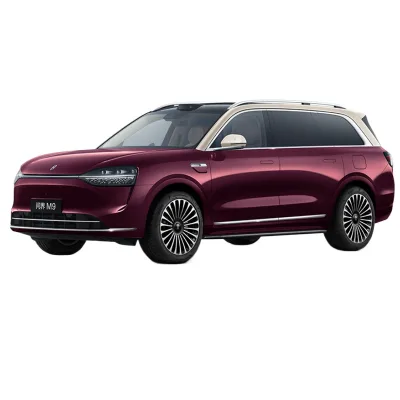


$52700.00 - $67600.00
Moq: 1




Comprehensive Sourcing Guide
Ultra Long Range Electric Car Sourcing Guide
The global market for ultra-long range electric vehicles presents a complex landscape where manufacturers offer diverse configurations ranging from compact urban commuters to large SUVs. Buyers must distinguish between vehicles designed for high-speed highway travel and those optimized for city density, as performance metrics vary significantly across the supply base. Current listings indicate a wide spectrum of power outputs, from modest 15kW units suitable for light transport to robust 390kW systems capable of reaching speeds up to 200km/h. This variance necessitates a rigorous initial screening process to align vehicle capabilities with specific operational requirements before engaging with suppliers.
Procurement strategies must account for the substantial differences in battery technology and chassis design observed in current catalogs. While some models utilize ternary lithium batteries for high energy density, others may employ different chemistries or structural approaches that impact range and safety profiles. The presence of both open and closed body structures suggests that buyers should verify the intended use case, whether for passenger transport or specialized cargo applications. Understanding these fundamental architectural differences is essential for selecting a platform that delivers the promised range without compromising on safety or regulatory compliance in the target market.
Product Scope and Observed Listing Signals
Current market data reveals a significant disparity in vehicle dimensions and seating capacity, ranging from compact four-seaters to spacious six-seater SUVs. Listings show body lengths varying from approximately 4612mm to over 5230mm, with wheelbases extending up to 2965mm to accommodate different interior layouts. Buyers should carefully cross-reference these physical dimensions against their logistical constraints, as a vehicle with a 5230mm length may not fit standard loading docks or parking facilities designed for smaller compact cars. The diversity in curb weights, spanning from under 1000kg to over 2600kg, further indicates that payload capacity and energy efficiency will differ markedly between models.
The observed price range of 28 to 83,934 USD highlights the extreme variation in value propositions available to international buyers. This wide spread suggests that some listings may represent entry-level micro-mobility solutions while others denote premium, high-performance electric SUVs with advanced features. Procurement teams must scrutinize the specific model numbers, such as the ID.4 X variants or Ultra versions, to understand exactly what features are included at each price point. Relying solely on the headline price without verifying the specific configuration, battery capacity, and included accessories can lead to significant budget overruns or mismatched expectations regarding vehicle performance.
Technical Specifications to Verify
Motor power and torque ratings are critical indicators of an electric vehicle's ability to maintain speed and handle load, yet these figures vary widely across available listings. Buyers must verify whether a listed 390kW motor represents the peak output of a high-performance SUV or if a 15kW rating applies to a lighter utility vehicle. The maximum speed specifications, ranging from 160km/h to 200km/h, directly correlate with the intended driving environment and regulatory limits of the destination country. It is imperative to confirm that the motor specifications align with the vehicle's intended duty cycle, as a high-speed vehicle may consume energy too rapidly for long-range applications if not properly managed.
Battery type and transmission architecture are equally vital for assessing range reliability and maintenance requirements. The supply base includes vehicles equipped with ternary lithium batteries and single-speed transmissions, which are standard for modern electric drivetrains but require specific charging infrastructure. Buyers should verify the exact battery chemistry and capacity, as these factors determine the actual driving range and charging time. Additionally, the drive mode, whether rear-wheel drive or other configurations, impacts traction and stability in various weather conditions. Ensuring that the technical specifications match the operational demands of the fleet is essential for avoiding premature battery degradation or mechanical failures.
Compliance and Safety Documentation
Regulatory compliance is a non-negotiable aspect of sourcing electric vehicles, with certifications such as CE and CCC indicating adherence to specific regional safety standards. Buyers must confirm that the vehicle documentation includes valid certification for the target market, as a CE mark may not be sufficient for entry into markets requiring CCC or other local approvals. The presence of these certifications suggests that the manufacturer has undergone testing for electrical safety and structural integrity, but the scope of these tests must be verified against local regulations. Without proper documentation, imported vehicles may face customs delays or be deemed illegal for road use, leading to significant financial losses.
Safety features and structural integrity are further validated through the vehicle's body structure and braking systems. Listings indicate a mix of SUV and open body types, each requiring different safety assessments regarding rollover protection and pedestrian safety. The brake systems, ranging from front disc to rear drum configurations, must be evaluated for their effectiveness in stopping heavy loads at high speeds. Buyers should request detailed test reports and safety data sheets to ensure that the braking and structural components meet the rigorous demands of commercial or personal use. Verifying these safety attributes is crucial for protecting both the driver and the cargo during operation.
Cost Drivers and Commercial Terms
The total cost of ownership for electric vehicles is heavily influenced by the initial purchase price, which varies based on battery capacity, motor power, and body size. The observed MOQ range of 1 to 12,000 units suggests that suppliers offer flexible terms for small pilot orders but may require significant volume commitments for bulk pricing. Buyers should negotiate based on the specific model and configuration, as larger orders often unlock better pricing tiers and more favorable payment terms. Understanding the relationship between order volume and unit cost is essential for developing a procurement strategy that balances cash flow with inventory needs.
Customization options and packaging requirements also play a significant role in the final commercial terms of the agreement. Some listings indicate that customization is available, allowing buyers to tailor vehicle features to specific operational needs, while others may offer standard configurations only. The packaging details, such as whether vehicles are shipped in a "No" packing state or fully prepared for delivery, can impact logistics costs and handling requirements. Buyers must clarify these terms early in the negotiation process to avoid unexpected expenses related to reconfiguration, additional shipping, or specialized handling equipment.
Supplier Qualification and Quality Control
Supplier qualification requires a thorough assessment of the manufacturer's production capabilities and track record in the electric vehicle sector. The origin of the vehicles, primarily from Shanghai, China, indicates a concentration of manufacturing expertise in this region, but buyers must verify the specific factory's capacity to meet their volume and quality expectations. It is essential to request evidence of production history, including previous export records and client references, to ensure the supplier can consistently deliver vehicles that meet the specified technical requirements. A robust supplier qualification process helps mitigate the risk of supply chain disruptions and ensures a steady flow of high-quality vehicles.
Quality control measures must be integrated into the procurement process to ensure that every vehicle meets the agreed-upon standards before shipment. Buyers should establish clear inspection protocols that cover critical components such as the battery, motor, and braking systems, as well as the overall body structure and finish. Regular third-party inspections or on-site audits can provide an additional layer of assurance that the manufacturing process adheres to the required quality benchmarks. Implementing a rigorous quality control framework helps identify and rectify potential issues early, reducing the likelihood of costly returns or warranty claims after the vehicles have been deployed.
Long-Term Procurement Checks
Sustaining a successful procurement relationship with electric vehicle suppliers requires ongoing monitoring of performance and reliability over the long term. Buyers should establish key performance indicators that track vehicle uptime, battery health, and maintenance costs to ensure that the fleet continues to operate efficiently. Regular reviews of these metrics allow for proactive adjustments to the procurement strategy, such as replacing underperforming models or negotiating better service terms with the supplier. This continuous feedback loop is essential for maintaining a competitive edge and ensuring that the fleet remains reliable and cost-effective over its entire lifecycle.
Future-proofing the procurement strategy involves staying informed about technological advancements and regulatory changes that may impact the electric vehicle market. Buyers should maintain open communication with suppliers to understand upcoming model updates, battery improvements, and new compliance requirements. This forward-looking approach ensures that the fleet remains relevant and compliant with evolving standards, preventing obsolescence and maximizing the return on investment. By proactively addressing these long-term considerations, buyers can build a resilient supply chain that adapts to market dynamics and supports their strategic goals for years to come.
FAQs
What is the maximum power output for the large SUV model?
The large SUV model features a maximum power output of 390kW. This high-performance specification supports a top speed of 200km/h. The vehicle is a pure electric BEV with a 530 hp motor. It offers a 5-door 6-seater body structure. This configuration ensures robust performance for demanding driving conditions.
Which certification standards apply to the ID. 6 X PURE+ model?
The ID. 6 X PURE+ model holds CCC certification. This standard ensures compliance with specific regional safety and quality requirements. The vehicle features a 150kw maximum motor power. It includes a ternary lithium battery for reliable energy storage. Buyers should verify specific regional regulatory needs before finalizing procurement orders.
Can the ultra long range electric car be customized for specific needs?
Yes, customization is available for the ultra long range electric car. Buyers can request specific modifications to meet unique operational requirements. The product page explicitly lists customization as an available option. This flexibility allows for tailored solutions in various commercial or personal applications. Contact suppliers directly to discuss specific customization parameters and feasibility.
What are the dimensions of the standard ID. 4 X PRIME model?
The ID. 4 X PRIME model has dimensions of 4612*1852*1640mm. This size provides a compact yet spacious interior for urban driving. The wheelbase measures 2765mm, ensuring stable handling characteristics. The curb weight is 2120kg, balancing performance with efficiency. These specifications make it suitable for various commercial and personal transport needs.
How much does the ultra long range electric car cost?
The observed price range for these vehicles is 28 to 83934.76 USD. This wide range reflects differences in specifications, certifications, and configurations. Prices vary significantly based on the specific model selected. Buyers should request detailed quotes from suppliers for accurate pricing. Cost factors include battery type, motor power, and optional customizations.
What is the minimum order quantity for these electric vehicles?
The minimum order quantity ranges from 1 to 12000 units. This flexibility accommodates both individual buyers and large-scale procurement projects. Suppliers may have different MOQs based on stock and production capacity. Buyers should confirm specific MOQ requirements with their chosen supplier. Bulk orders often benefit from negotiated pricing and streamlined logistics.
Where are these ultra long range electric cars manufactured?
These vehicles are manufactured in Shanghai, China. The place of origin is explicitly listed as Shanghai. This location is a major hub for automotive production and export. Buyers should consider logistics and shipping costs from this origin point. Supplier verification is recommended to ensure consistent quality and reliable delivery schedules.